5 hr
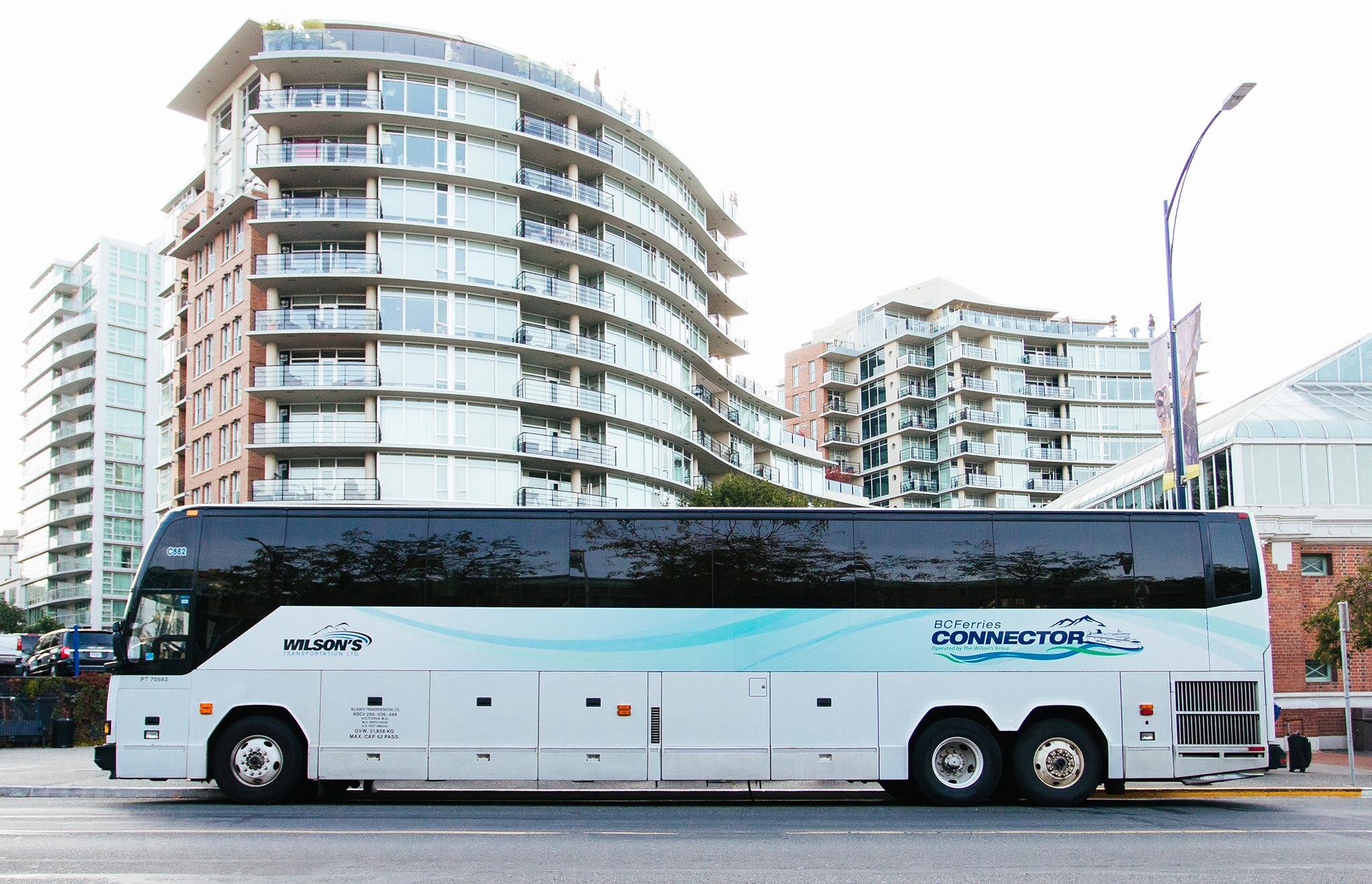
Vancouver to Victoria Ferry & Coach Transfer
Comfortable coach and ferry journey connecting Vancouver with Victoria on Vancouver Island
Reserve
Hand-picked by our editors — only the best 5 experiences from 140 reviewed.
Verified partners for every tour, free cancellation where available, and instant confirmation on every booking.
5 hr
Comfortable coach and ferry journey connecting Vancouver with Victoria on Vancouver Island
Reserve
13 hr
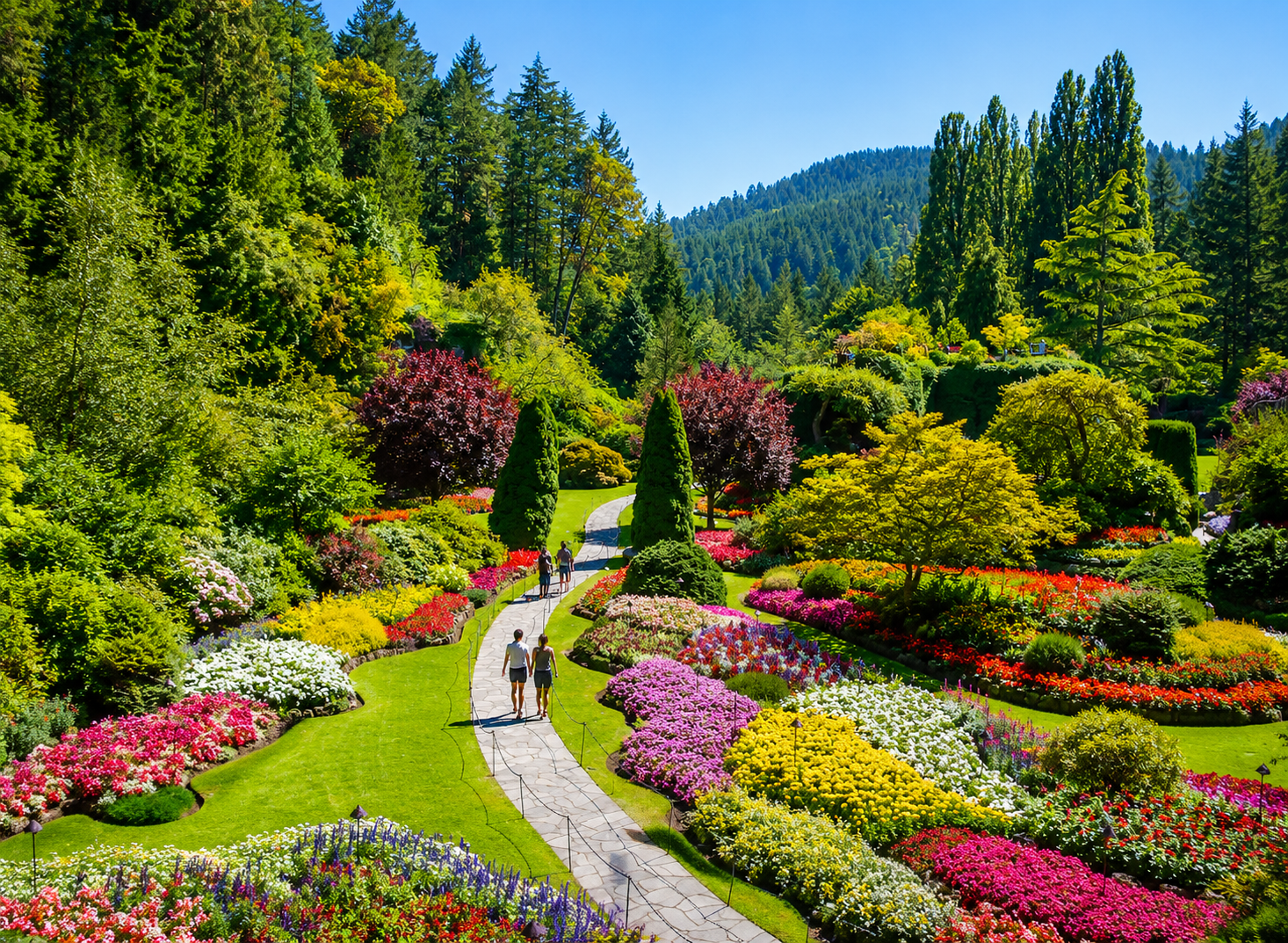
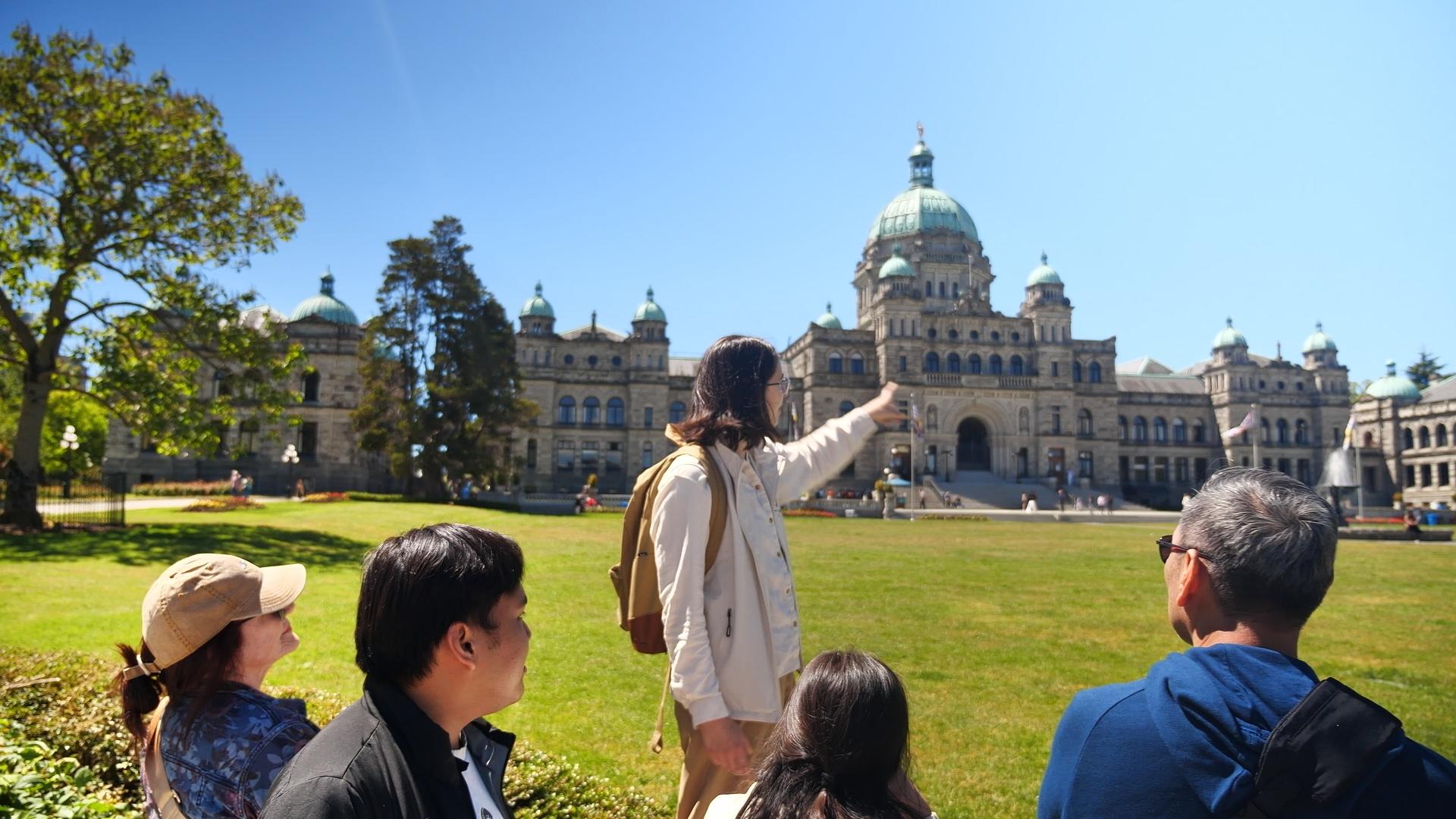
Journey to Vancouver Island by ferry for gardens, historic sights, and free time in British Columbia's capital
Reserve
13 hr
Explore BC's capital city and stunning botanical gardens on a guided coach journey with scenic ferry crossings
ReservePrices from verified partners. Availability updates in real time at checkout. Free cancellation policies apply where shown.
The landmarks, rooms, and views travelers on this tour remember — all visible on a single visit.
Witness the scenic narrows between the Gulf Islands during transit.
Enjoy expansive Pacific Ocean views from the upper passenger decks.
Sample diverse food options including burgers and local blueberry pie.
Observe the precise loading procedures for cars and commercial transports.
The essential transit hub connecting regional bus lines to the ferry.
They complement each other; most visitors who do both call the bus and ferry experience the more relaxing journey, while seaplanes provide the most efficient transit. Choosing between victoria to vancouver by bus and ferry tours and high-speed aviation depends entirely on whether you prioritize scenic marine passage or rapid arrival.
| Feature | Top pick Bus & Ferry | Seaplane Travel |
|---|---|---|
Speed |
3.5–4.5 hours | 35 minutes |
Cost |
20 CAD (summer) | 200–300 CAD (summer) |
Scenic value |
Coastal views and marine life | Aerial panoramas of Salish Sea |
Convenience |
Terminal check-in required | Direct city-center access |
Luggage allowance |
Standard bags included | Strict weight limits apply |
| See tickets → |
Verdict: Securing victoria to vancouver by bus and ferry tickets offers a cost-effective, leisurely voyage, whereas seaplane travel remains the superior choice for those requiring a rapid victoria to vancouver by bus and ferry tour alternative.
Choose your ticket, select your date, and reserve in under two minutes. Secure checkout handled by our verified partner.
Instant confirmation by email, with a mobile voucher you can save offline. No printing, no queuing at a collection desk.
Arrive at the entrance, show your voucher on your phone, and walk in. Most tickets include priority or skip-the-line access.
Practical details for your visit straight from our verified partners — hours, access, rules, and how to get there.
Casual attire is appropriate for all sailings. Please note that upper decks can be windy, so a jacket or layers are recommended.
Passengers can check bags at the terminal, provided they are under 23 kg. Security protocols are strictly enforced for the safety of all travelers.
Photography is permitted in public areas, but please respect the privacy of other passengers and crew members. Drones are strictly prohibited without authorization.
BC Ferries provides dedicated assistance and elevator access. Travelers with permanent disabilities may apply for an Accessible Fare Identification card for discounted travel.
The Vancouver & Victoria Ferry route is family-friendly with dedicated play areas on select vessels. Children under 5 years of age travel for free.
Onboard amenities include the Coastal Cafe and occasional dining lounges. Guests are also welcome to bring their own snacks and non-alcoholic beverages.
Best time to go, insider tips, nearby landmarks, and the cancellation fine print — flip through to skim what matters to you.
Flexible, no hidden fees.
Fares are non-refundable after travel. Tickets and reservation fees are subject to specific booking terms available on the official BC Ferries website.
Premier W. A. C. Bennett founded British Columbia's public ferry service in 1960, after a coastal labour dispute severed the mainland from Vancouver Island for weeks. Two vessels, the Sidney and the Tsawwassen, made the first sailings on 15 June 1960. The mainland terminal had to be pushed almost three kilometres into the Strait of Georgia on a rock causeway, because the seabed off Delta was too shallow to berth a ship of that draught. The route those engineers drew is the one that Victoria to Vancouver by Bus and Ferry tours still follow. Sixty-six years on, it remains the busiest saltwater corridor in the province. The crossing measures roughly twenty-four nautical miles and runs about one hour and thirty-five minutes. Its defining passage is Active Pass, a narrow dogleg between Galiano and Mayne Islands where the vessel slows, turns twice, and passes within a few hundred metres of forested bluffs. Bald eagles nest along that shoreline. Orca sightings are logged most summers. The Gulf Islands on either side were scoured by glaciers and long inhabited by Coast Salish peoples, whose canoe routes threaded the same channels centuries before Swartz Bay had a name or a ramp. Captain George Vancouver charted the strait in 1792; the Salish Sea took its modern name only in 2010. The land legs carry as much history as the water. Pacific Coach Lines ran the through-coach service for decades until 2017, when the schedule passed to the BC Ferries Connector. From Swartz Bay the road drops thirty-two kilometres down the Saanich Peninsula on Highway 17, past farmland and the turnoff for Butchart Gardens, planted by Jennie Butchart in a spent limestone quarry from 1904. Douglas Street delivers coaches to the Inner Harbour, beneath the Parliament Buildings of 1898 and the ivied face of the Fairmont Empress, opened in 1908. Victoria has been the provincial capital since 1868, and the harbour it faces was Fort Victoria, a Hudson's Bay Company post founded in 1843. Two vessels built in the early 1990s, the Spirit of British Columbia and the Spirit of Vancouver Island, carry most of the traffic on the Tsawwassen–Swartz Bay run. Each is rated for more than two thousand passengers and some three hundred and fifty vehicles, and both were lengthened and converted to liquefied natural gas in the late 2010s. The corridor is not a scenic diversion. It is the province's marine highway, the only regular fixed link between the island and the lower mainland, used by commuters, freight and holidaymakers in the same queue. That is what a Victoria to Vancouver by Bus and Ferry tour ultimately compresses into one day: a colonial capital, a glacier-cut archipelago, and a working deep-water port, joined by a wake that has been ploughed continuously since 1960.
"The corridor is not a scenic diversion; it is the province's marine highway."
A step-by-step walkthrough of the visit — what you'll see, how long each stage takes, and the details that matter.
You board at Swartz Bay with the wind coming off the water, and the long ramps swallow the coaches ahead of you. The vessel pulls out past Piers Island. Within twenty minutes the outer rail is crowded, because Active Pass is coming and everyone aboard seems to know it. The ship leans into the turn between Galiano and Mayne, close enough that you can count the porch chairs on the cabins above the shoreline. A sailboat idles in the eddy, waiting for the wake to pass. Then the strait opens. For forty minutes there is nothing but grey-green water, the Coast Mountains stacked in blue layers to the northeast, and a freighter or two riding at anchor. You go inside, take a window seat on the passenger deck, and let the Salish Sea do the work. Coffee. A paperback. The engines steady underfoot, the horizon barely moving. Tsawwassen arrives first as a thin line of pilings, then as a causeway three kilometres long with water on both sides of the road. Your coach reloads. The last stretch runs through Delta farmland, under the Fraser at the Massey crossing, and into the glass canyons of downtown Vancouver. Ninety-five minutes of open water, two road legs, one island left behind. Travellers holding Victoria to Vancouver by Bus and Ferry tickets step off downtown with salt still on their sleeves, and the crossing settles in memory as a passage rather than a commute.
The entrance fee is 20 CAD for a standard adult foot passenger fare.
Frequent daily sailings are available; check the schedule between 06:00 and 21:00 for the best availability.
Yes, reservations for the Vancouver & Victoria Ferry can be managed via the official BC Ferries website.
Yes, BC Ferries offers accessible boarding and fare discounts for those with proper identification.
Bring a valid ID, your booking confirmation, and layers, as it can get windy on the open water.
Dangerous goods, firearms, and illegal substances are prohibited on all BC Ferries vessels.
Use TransLink’s 620 bus in Vancouver or BC Transit’s 70 series in Victoria to reach the terminals.
Children under 5 years old travel for free on BC Ferries.
Yes, the Royal BC Museum and the Fairmont Empress are iconic stops near the Victoria terminal.
The best arrival window is 06:00–21:00 to ensure you have maximum flexibility during your transit.